
Chandeliers are intricate assemblies that combine decorative artistry with functional engineering. Their frames support numerous suspended elements, electrical systems, and precision-balanced components. This complexity means that correct handling is essential. Even minor mistakes during routine care can compromise the finish, weaken structural points, or introduce safety hazards. Many homeowners first encounter this complexity after Chandelier Installation, when they realize that each part reacts differently to moisture and cleaning agents.
Components Safe to Wash
Some elements of a chandelier are designed to be removable or naturally resistant to moisture. These can usually be washed with appropriate care.
Washable Components
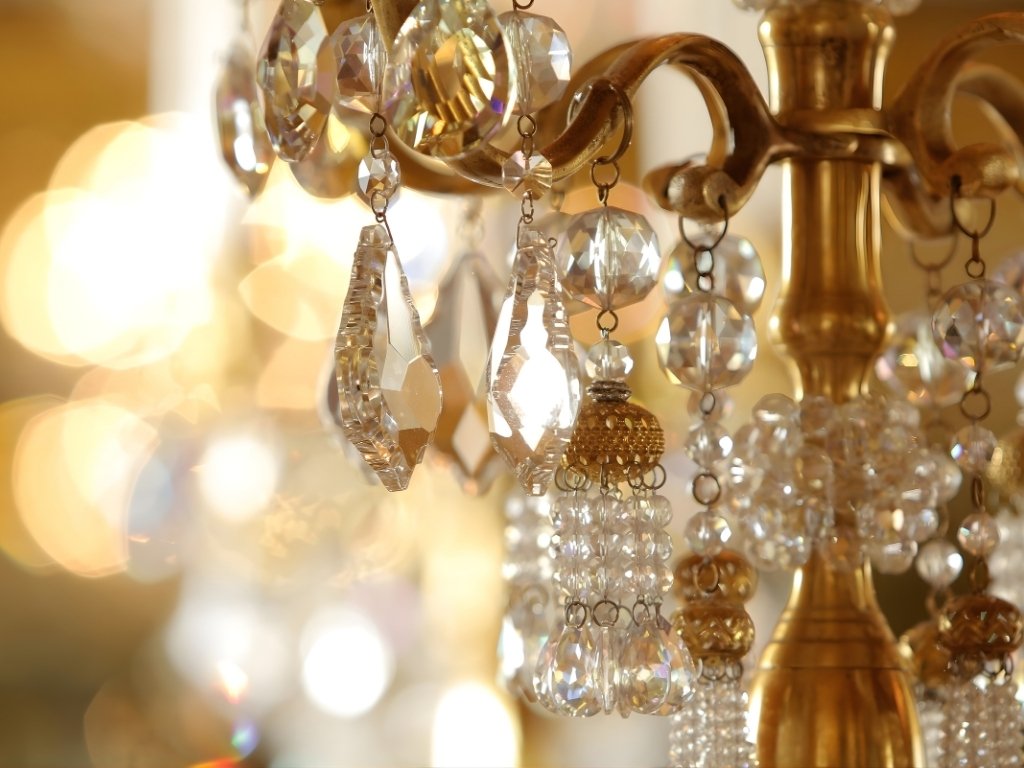
1. Crystal Drops and Prisms
Leaded and non-leaded crystals tolerate gentle washing with mild detergents. Proper rinsing restores optical clarity and sparkle.
2. Glass Shades and Bowls
Clear, frosted, or patterned glass pieces can be cleaned with warm water so long as they are fully detached before washing. This guideline applies equally to fixtures styled like a Modern Chandelier.
3. Detachable Metal Elements
Certain arm covers, decorative collars, and small trim pieces made of stainless steel or sealed brass can be washed if the finish is not porous. They must be dried immediately to prevent spotting.
4. Removable Diffusers
Acrylic or glass diffusers designed for easy access can be safely washed. Always verify that the diffuser has no embedded wiring.
5. Suspended Ornaments on a Bespoke Chandelier
Custom fixtures often include unique pendants or artistry pieces. When these sit on independent hooks without integrated electronics, they are typically safe for washing.
Components That Must Not Be Washed
Other parts of a chandelier are highly sensitive to water exposure and should never be washed. These areas require dry cleaning techniques only.
Non-Washable Components
1. Wiring Systems
Moisture can breach insulation and lead to electrical failures. Contact with water is unsafe and voids most warranties.
2. Electrical Housings and Drivers
LED drivers, transformers, and enclosed electronics are vulnerable to corrosion and shorting.
3. Lamp Sockets and Contacts
Any part that delivers power directly to a bulb must remain dry at all times to avoid shock hazards or long-term degradation.
4. Internal Framing and Structural Joints
These elements often contain integrated fasteners that hold the chandelier together. Washing can introduce water into crevices and weaken hidden connections.
5. Decorative Finishes
Gold leaf, hand-applied patinas, and lacquered surfaces may react badly to water. A gentle dry wipe is preferred.
6. Ceiling Plates and Support Hardware
These components anchor the chandelier. Washing them risks transferring moisture to load-bearing parts, which may be critical during Chandelier Moving or later servicing.
How Moisture Affects Different Materials
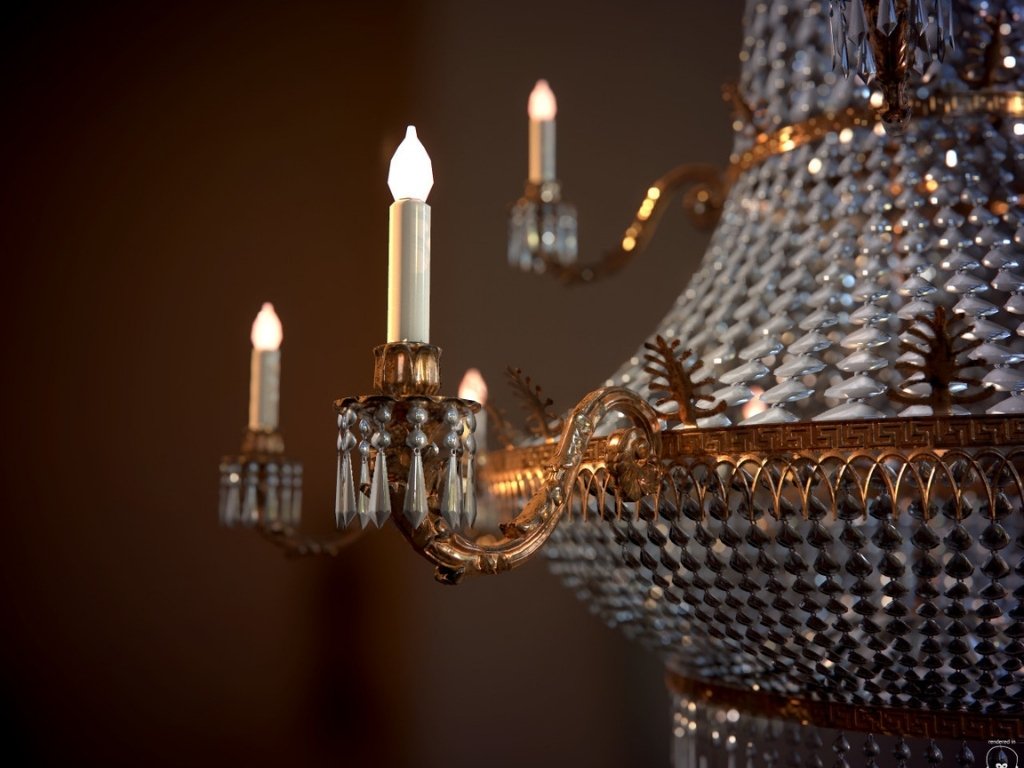
Moisture interacts with metals, glass, crystal, and electronics in distinct ways.
- Crystals can tolerate water but form mineral spots if left unrinsed.
- Glass cleans well yet may develop stress cracks if rinsed while hot.
- Metal develops tarnish or corrosion when exposed to retained moisture, especially in joints or seams.
- Electrical components suffer insulation breakdown that can later require Chandelier Repairing.
Understanding these reactions helps prevent accidental deterioration during routine care.
Expert Safety Considerations
Handling a chandelier requires awareness of electrical safety, load distribution, and fixture balance. Always de-energize the circuit before removing any piece. Support assemblies while working to avoid torque on the frame. Cleaning is also a good opportunity to assess stability, especially if the fixture has undergone Chandelier Moving or large seasonal maintenance.
Best Practices for Longevity and Performance
- Remove washable components only when the chandelier is cool and powered off.
- Use lint-free cloths and non-abrasive cleaning solutions.
- Clean crystals individually to prevent scratching.
- Keep all electrical components completely dry.
- Reassemble parts in the correct order to maintain weight distribution.
- For heritage or custom fixtures such as a Bespoke Chandelier, keep documentation of materials and finishes to determine the safest cleaning strategy.
- Schedule periodic inspections to ensure optimal performance, particularly in high-humidity areas where moisture exposure is more common. These inspections often accompany broader service requirements similar to those encountered during Chandelier Cleaning.
Conclusion
Homeowners who choose to clean their chandelier themselves must handle components carefully and avoid washing any parts that are sensitive to moisture, especially those protecting the electrical pathway. This helps prevent safety risks, structural damage, and the need for unplanned Repairing in the future. Residents in Dubai who prefer expert assistance can book service with Sparkle and Shine UAE. The company offers a highly trained team with specialized tools that outperform typical cleaning companies and deliver precision care that upholds the value and brilliance of your chandelier.